 Add Row
  Add
Add 


Did you know that the story of Snohomish Sound history goes back thousands of years—long before Washington became a state, and long before the first settlements appeared? Hidden stories of resilience, transformation, and enduring spirit lie beneath the quiet waters and lush valleys of Snohomish County. Dive in to discover how Snohomish Sound history continues to influence the land, its people, and even you today.
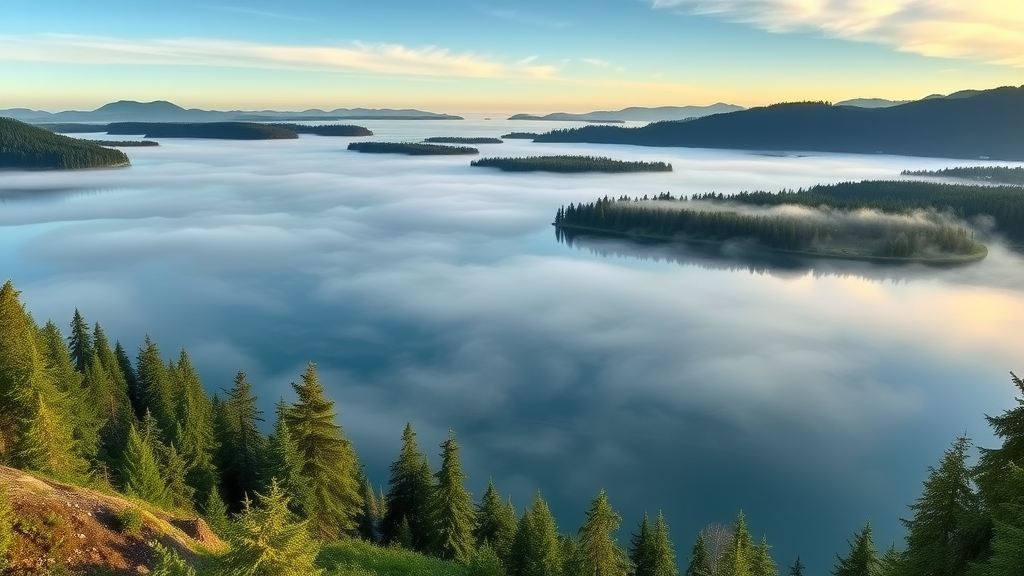
A Surprising Fact: Snohomish Sound History’s Hidden Narrative
Snohomish Sound history is filled with astonishing tales that many people living in the puget sound region have never heard. For instance, did you know that the Snohomish River valley was not only a gathering place for the Coast Salish tribes but also a trading hub long before American settlers arrived? The story isn’t merely about shifting borders or old buildings; it’s about an intricate web of cultural connections that shaped the very identity of the Northwest.
Experts believe that Snohomish Sound history reveals a unique blend of environmental adaptation and cultural exchange. The river valleys, from the Snohomish and Pilchuck rivers to the evolving banks of the Puget Sound , witnessed both prosperity and hardship. As settlers and Native American tribes interacted, they created a layered history that remains visible in regional traditions, landmarks, and even in the foods we eat today. Understanding this narrative is key to appreciating just how deeply these stories still run in our everyday life.
Why Snohomish Sound History Holds Profound Importance Today
Uncovering Snohomish Sound history is more than a lesson in old stories—it’s a way to connect our present with the resilient past of Snohomish County . Knowing the real stories behind the river, treaty, and towns lets us see how events from hundreds of years ago still affect how our region grows and adapts. As we debate urban expansion, climate change, and heritage preservation, the lessons from Snohomish Sound history become vital.
From the dramatic changes along the Snohomish River to the pivotal events at Point Elliot , history influences today’s decisions in city planning, environmental stewardship, and community pride. These deep connections help highlight why it’s so crucial to teach snohomish sound history in schools and keep exploring its stories in civic forums, museums, and even in family conversations at the dinner table.
The Connection Between Puget Sound and Snohomish Sound History
The relationships between the Snohomish River , Puget Sound , and the many smaller waterways, including the Pilchuck River and Port Gardner Bay , form the backbone of Snohomish Sound history . Centuries ago, boats and canoes plied these routes long before modern boat launches appeared. The vital routes allowed for the exchange of goods, ideas, and culture between various tribes and later between settlers and native people.
The Sound region would not be what it is today without the intricate system of rivers and bays—each with its own rich history. Gardner Bay , Port Gardner , and the broader puget sound watershed provided resources, strategic locations, and pathways for adventure and expansion. Tracing the roots of Snohomish Sound history through these geographic connections uncovers stories of adaptation, resilience, and ongoing opportunity for the county and its people.
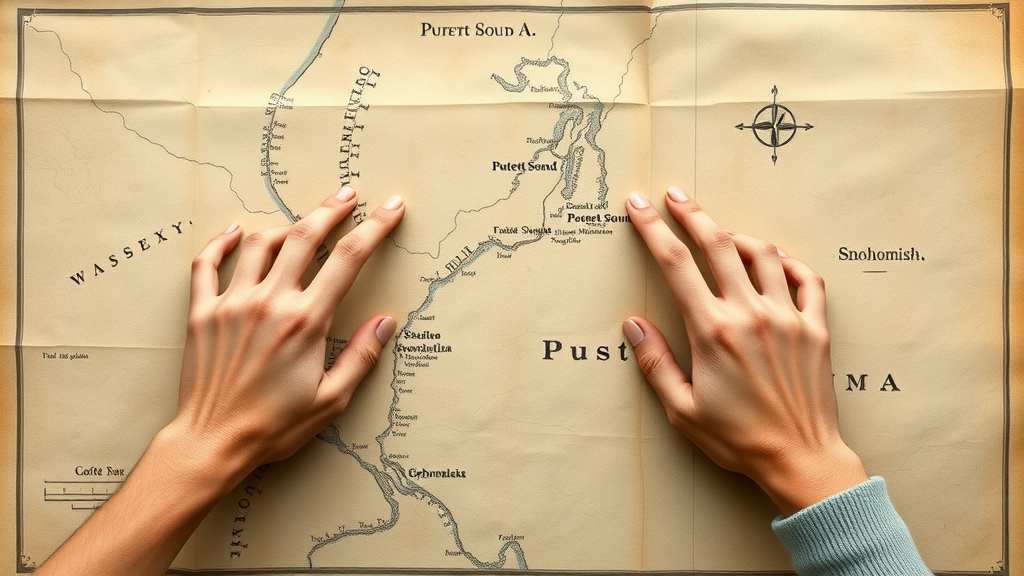
Role of Snohomish River in Shaping Snohomish Sound History
Few features have influenced the history of snohomish quite like the Snohomish River . This life-giving waterway nurtured thriving tribal villages along its banks long before colonial expansion and urban planning. It flows through lush valleys and farmland, connecting different communities and cultures within Snohomish County .
The river also shaped how settlements developed. Its seasonal rhythms brought floods, fertile soils, and abundant fisheries —all crucial to both native and settler communities. Even today, decisions made about the health and direction of the Snohomish River still shape regional economics, recreational activities, and environmental initiatives. The Snohomish River valley reminds us that the past and present flow together, influencing how we see ourselves and our future.
Snohomish County’s Critical Influence on Snohomish Sound History
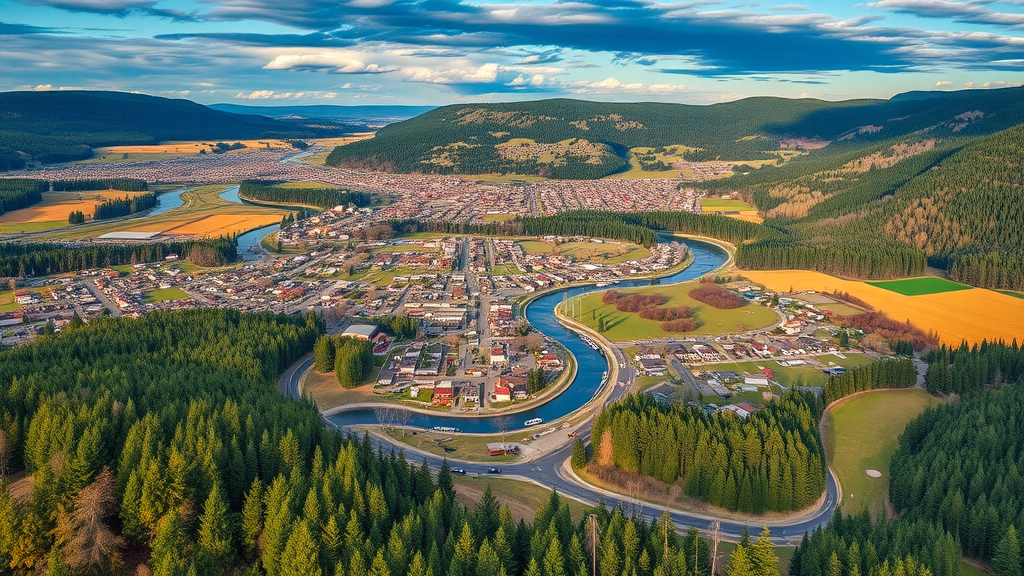
Development of Snohomish County in the Context of Snohomish Sound History
The creation and evolution of Snohomish County is one of the most important chapters in Snohomish Sound history . From its earliest days, when dense forests covered most of the land and the rivers were the main transportation routes, this area has seen enormous transformation. The arrival of settler populations gradually led to the clearing of land, development of new towns, and the rise of the county seat at what would become Snohomish City and eventually Everett .
Communities along the river valley were not only shaped by historical figures, but also by waves of migration and economic opportunity. Places like Lake Stevens , Pilchuck River , and other small towns relied on connections to the main puget sound and to resources flowing down the Snohomish River . This history of adaptation and growth remains visible, from architecture to public events, and continues to shape regional identity.
Snohomish Sound History and Regional Identity
It’s impossible to separate Snohomish Sound history from the sense of identity and pride that residents of Snohomish County feel. Through landmarks, festivals, and public discussions, people keep the memory of the past alive, while also facing the modern challenges of urbanization and ecological preservation. Caring for historical neighborhoods, restoring old riverside buildings, and revitalizing downtown spaces all stem from a community desire to preserve the area’s unique character.
The ongoing influence of Snohomish Sound history keeps residents connected to deeper stories of resilience, ingenuity, and togetherness. Whether it’s a school project, a local heritage group, or casual conversations at the pub, the layered narrative helps shape a distinct sense of place that echoes through generations.
Point Elliot: Treaty, Tribes, and Turning Points in Snohomish Sound History
Examining Point Elliot’s Significance within Snohomish Sound History
The Point Elliot Treaty of 1855 stands as a pivotal moment in Snohomish Sound history . This major agreement, negotiated at what’s now Mukilteo, fundamentally changed the landscape for both the Coast Salish tribes and incoming settlers. The treaty established land rights, hunting grounds, and set the stage for ongoing debates about sovereignty, stewardship, and cultural recognition.
Understanding Point Elliot —and related places like Port Gardner Bay —means seeing how these formal agreements were not only acts of governance but also acts of change that resonated through families and communities for generations. The signed treaty led the way for the formation of towns, changes in land use, and the rise of key regional hubs that we recognize today throughout snohomish county , island county , and beyond.
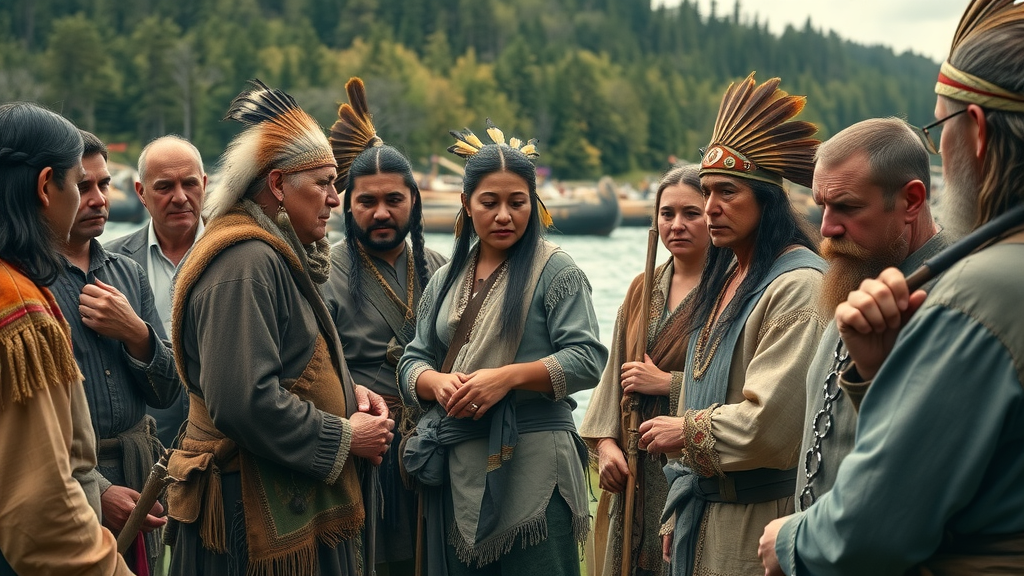
Native American Heritage and Legacy in Snohomish Sound History
The influence of Native American heritage on Snohomish Sound history reaches far deeper than the names on a map. Tribes like the Snohomish , Stillaguamish , and their Coast Salish allies have left lasting marks on the physical and cultural landscape. Their stewardship of the Snohomish and Pilchuck rivers , connection to sacred sites, and craft traditions still resonate within the community.
Modern initiatives, such as cultural heritage programs and river clean-ups, are inspired by the traditional values of balance and respect for nature. The legacy of the Elliott Treaty and the stories of tribal elders offer critical lessons about sustainability, reconciliation, and cultural pride—ensuring that the story of Snohomish Sound history remains as diverse as the people who call this place home.
The Interdependence of Snohomish Sound History and the Modern Puget Sound
Ecological Shifts: How Puget Sound’s Evolution Shaped Snohomish Sound History
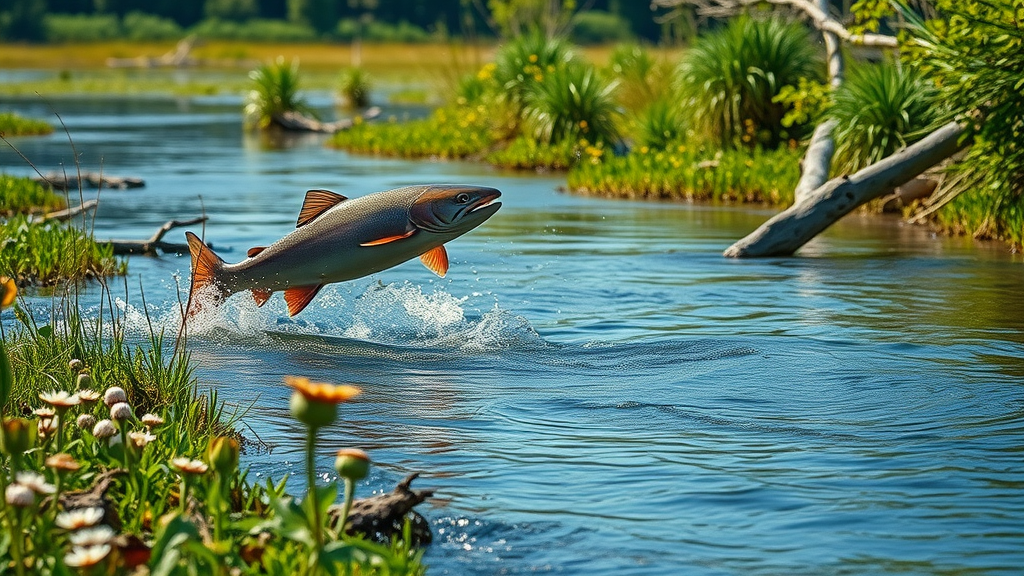
The ecology of the Puget Sound region has evolved dramatically over the last two centuries, reshaping everything from food sources to cultural practices. As the rivers and wetlands merged into the mighty Puget Sound , salmon runs fluctuated, wildflower marshes shifted, and new plant and animal species made their appearance. These changes made life both richer and, at times, more challenging for those living along the water.
Events like seasonal floods, fish population booms and busts, and the transformation of tidal flats into farmland were critical milestones in Snohomish Sound history . Today’s ecological restoration projects are efforts to balance the lessons from history with the needs of a growing population—reminding us that the health of Puget Sound and the Snohomish River is deeply intertwined with our future.
Timeline Table: Milestones in Snohomish Sound History
| Date | Event | Significance for Snohomish Sound History |
|---|---|---|
| Thousands of years ago | Tribal Settlement | Coast Salish tribes, including the Snohomish, inhabit river valleys and develop fishing, trading, and cultural traditions. |
| 1855 | Point Elliot Treaty | Redefined land and resource rights, impacting generations of Native American and settler families. |
| Late 1800s | Snohomish County Formation | Growth of towns, river transport, and emergence of county seat at Snohomish City and Everett. |
| Early 1900s | Fisheries and Flood Management | Significant modification of Snohomish River and adjacent waterways, influencing ecology and industry. |
| Modern Era | Restoration Initiatives | Community work to restore wetlands, promote tribal legacy, and preserve architectural heritage. |
Snohomish River: The Lifeblood of Snohomish Sound History
Historic Settlements Along the Snohomish River
Lower down in the valley, townships like Snohomish, Everett, and others developed at key bends and crossings along the Snohomish River . Originally established as part of tribal footpaths and meeting places, these sites evolved into hubs for river traffic—both native canoes and eventually modern boat launches. The riverside streets lined with historic storefronts are silent witnesses to generations of Snohomish Sound history and change.
These settlements tell a story of adaptation. From trading outposts to bustling mill towns, the evolution of the snohomish river valley tracks broader shifts in the Puget Sound region . They represent resilience through fires, floods, and economic downturns, reflecting how people have always worked with—and sometimes against—the river's rhythms.
Floods, Fisheries, and the Changing Face of Snohomish Sound History
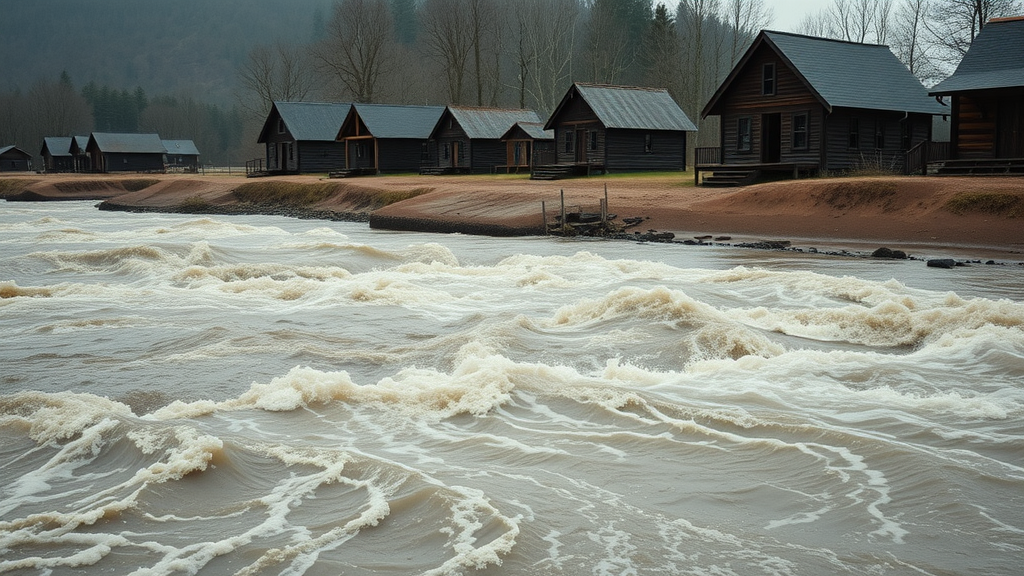
Flooding was both a threat and a source of renewal in Snohomish Sound history . Each year, the river’s unpredictable surges would reshape farmlands and neighborhoods, sometimes inflicting loss but also leaving behind vital nutrients that enriched the valley. These cycles built a strong connection between the people and the land.
Fishing has also been central—from the days of traditional tribal subsistence to commercial fisheries and river restoration. Salmon, in particular, is both a symbol and a life source: its migration mirrors local identity and the ongoing responsibility to protect natural heritage. Recent conservation efforts aim to balance growth with the preservation of these vital ecological systems so that the story of Snohomish Sound history can continue into the future.
Architectural Marvels: The Oldest Building in Snohomish and Its Stories
Preserving the Heritage: Architecture’s Role in Snohomish Sound History
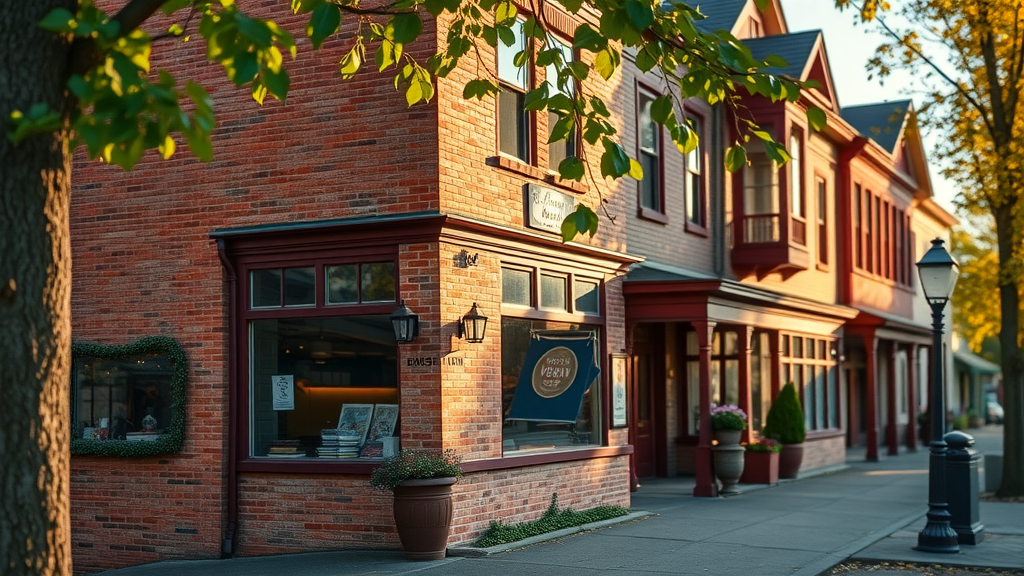
Downtown Snohomish boasts buildings that date back over a century, making it one of the best-preserved historic districts in Washington State . The oldest structures—some more than 125 years old—aren’t just landmarks; they’re storytelling tools. Their bricks, ornate woodwork, and classic Victorian facades embody the ambition and craftsmanship of earlier generations.
Preservation efforts by organizations and passionate locals have saved many valuable pieces of Snohomish Sound history from demolition or neglect. Today, these buildings are more than relics—they’re focal points for community gatherings, tourism, and education. Each creaking floorboard and stained-glass window offers a window into a time when the sound of steam whistles echoed down the Snohomish River valley.
Myth, Memory, and the Mosaic of Snohomish Sound History
Legends and Lore Shaping the Perception of Snohomish Sound History
Stories passed down around riverside campfires have shaped the collective memory of Snohomish Sound history . From tales of mysterious spirits who guard the river valley to heroic accounts of tribal leaders and the adventures of the first settlers, these legends give a sense of magic and depth to the seemingly ordinary landscape.
These stories reflect real challenges—like the big floods or the difficult treaties—but they also inspire local pride and reflection. As parents share them with children and storytellers weave new versions at community nights, the mosaic of memory grows richer. The blending of fact and fiction keeps the history alive in hearts as well as textbooks.

Personal Reflection: What Snohomish Sound History Means for Local Identity
“Snohomish Sound history is not just a series of dates and events—it’s the story of our resilience and renewal.”
For many locals, embracing Snohomish Sound history goes beyond attending festivals or visiting museums. It’s a way of life shaped by rivers, forests, and the heritage of both Native American and immigrant ancestors. Holding onto these stories strengthens the sense of community and teaches valuable lessons about courage, adaptation, and the beauty of diversity.
Preserving Snohomish Sound History for Future Generations
Community Initiatives Safeguarding Snohomish Sound History
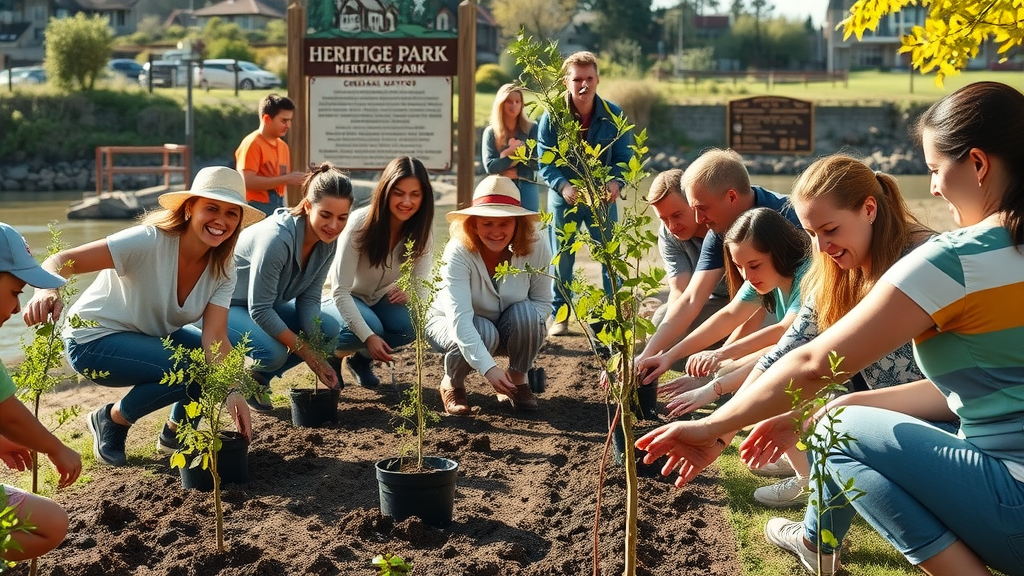
Community-led projects breathe new life into Snohomish Sound history every day. Efforts like restoring river habitats, cleaning up parks, and organizing educational events connect young people and newcomers with the region’s deep roots. Volunteers in heritage parks and local historians often work side-by-side to ensure no story is left untold or forgotten.
Local libraries, schools, and tribes also play a vital role—curating exhibits, providing guided walks, and digitizing archives to protect fragile documents. Together, these efforts are building a living legacy that respects both native and settler perspectives.
Urban Growth vs. Heritage: The Ongoing Debate
As Snohomish County grows, new neighborhoods, businesses, and roads put pressure on historic sites and natural habitats. This has spurred passionate debate over how to balance the needs of a thriving community with the desire to protect Snohomish Sound history .
Proponents of preservation argue that heritage sites add economic and cultural value. Others insist that smart planning and collaboration can allow growth and conservation to go hand in hand. The ongoing challenge is to ensure that modernization doesn’t erase the community’s remarkable past but instead uses these stories as inspiration for a brighter, more united future.
Lessons from Snohomish Sound History: Key Takeaways
- The intersection of native, colonial, and modern narratives continues to define the region’s identity and resilience.
- The transformation of the Snohomish River ecosystem has shaped how people live, farm, and play in the valley.
- The evolving significance of Point Elliot and Puget Sound highlights the enduring impact of treaties, migration, and community memory.
People Also Ask
What is Snohomish famous for?
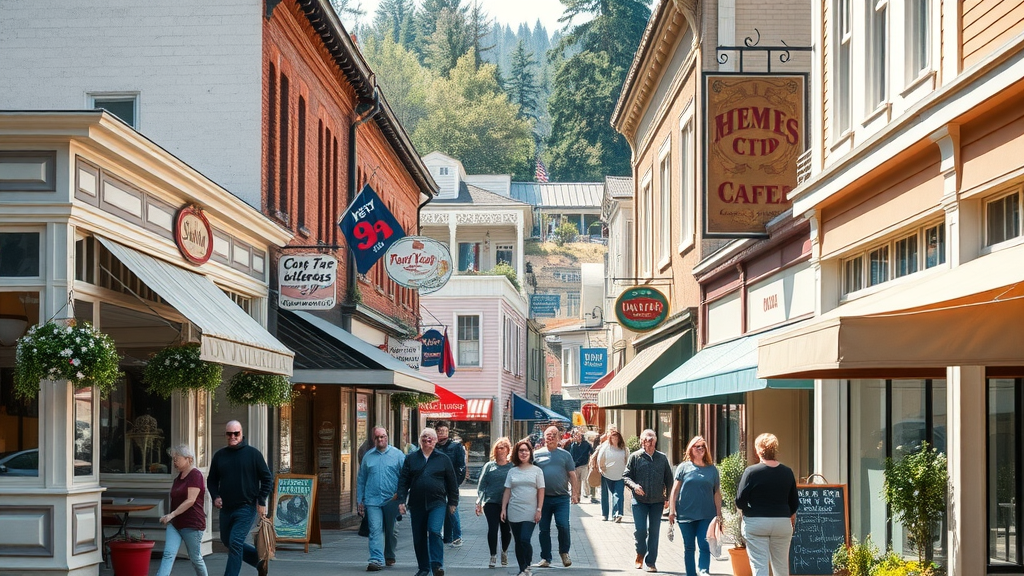
Snohomish is famous for its beautifully preserved historic downtown, packed with antique shops, cozy cafés, and 19th-century architecture. Often called the “Antique Capital of the Northwest,” it’s also known for vibrant local festivals, access to scenic river trails, and being a gateway to the Pilchuck River valley and Cascade foothills. Its commitment to preserving snohomish sound history makes it a destination for history buffs and families alike.
Exploring Snohomish Fame Through the Lens of Snohomish Sound History
Snohomish’s reputation comes from more than shopping or sightseeing; it’s rooted in Snohomish Sound history . The city’s iconic buildings, bustling markets, and riverside parks all have stories linked to trading posts, mill towns, and river crossings that were central to Indigenous and settler communities for hundreds of years.
The interplay of past and present gives visitors a chance to experience living history. Whether strolling the public library , attending a community fair, or fishing at a popular boat launch , every corner of Snohomish has a story to share.
What is the oldest building in Snohomish WA?
The oldest building in Snohomish, WA, is the A. J. Thompson House , built in 1885, though several late-1800s Victorian structures remain. These well-maintained buildings appear on national and local historic registers, offering a tangible link to the beginnings of Snohomish City and the county seat era. Walking through these neighborhoods is like stepping into a living museum of Snohomish Sound history .
The Historic Significance of the Oldest Building in Snohomish Sound History
The oldest buildings are more than just pretty facades: they hosted important meetings, housed pioneer families, and provided the backdrop for both triumphs and hardships in history of snohomish . Preservation efforts ensure these sites continue to teach, inspire, and symbolize the enduring character of the community.
What Native American tribe is Snohomish?
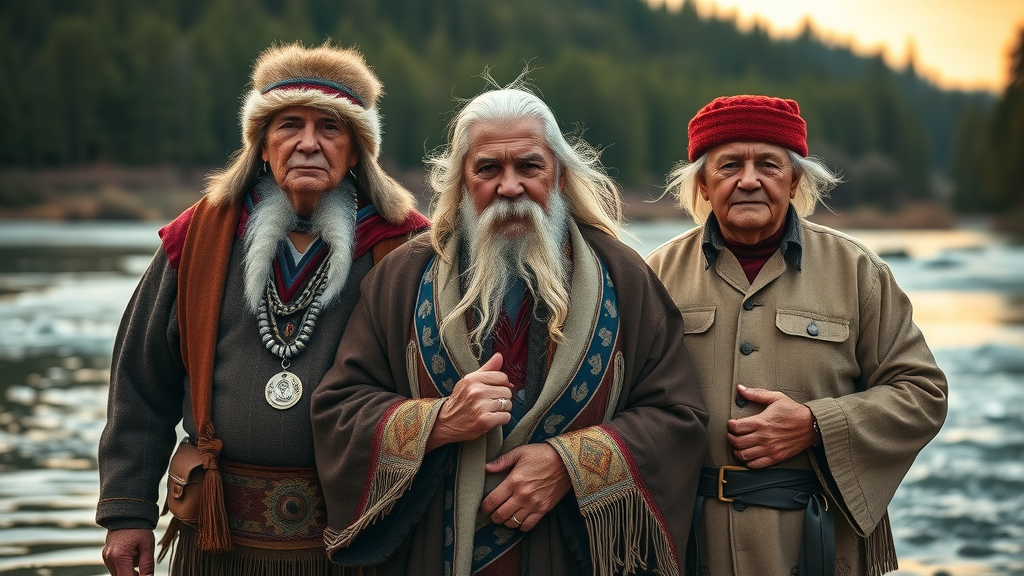
The Snohomish people are a Coast Salish tribe, originally inhabiting much of the Snohomish River valley and Puget Sound. Their culture and language are vital parts of the broader native heritage in Snohomish County and neighboring areas. Today, the Snohomish people remain active in cultural revival, stewardship, and community leadership.
Tracing the Tribal Roots Integral to Snohomish Sound History
The legacy of the Snohomish tribe is woven throughout Snohomish Sound history . From sacred river sites to annual gatherings and salmon runs, their influence reverberates in environmental practices and cultural celebrations. They have contributed to shaping both landscape and local tradition for generations.
What happened to the Snohomish tribe?
The signing of the Point Elliott Treaty in 1855 greatly affected the tribe, leading to displacement and the merging of many tribal members with the modern Tulalip Tribes. Despite the upheaval, Snohomish heritage persists, honored in riverside ceremonies, storytelling, and active preservation efforts. Today, descendants continue their work to protect land, water, and culture.
The Evolution and Displacement of the Snohomish Tribe in Snohomish Sound History
While the impacts of treaties and settlement were profound, the spirit of the Snohomish people endures. They helped build bridges—literal and figurative—between past and future, ensuring that Snohomish Sound history remains a living, evolving narrative relevant to all who call the region home.
FAQs on Snohomish Sound History
How does Snohomish Sound history reflect wider regional trends?
Snohomish Sound history exemplifies common Pacific Northwest themes, including respect for natural resources, partnerships between native and settler populations, and the push-pull between urban development and preservation. Its stories mirror events in the Puget Sound and United States broader history, making it an essential study for understanding regional identity.
What role does the Snohomish River play in contemporary Snohomish Sound history?
The Snohomish River remains central to the community’s heritage, recreation, and economy today. Restoration and conservation projects, along with cultural and historical programming, ensure its waters continue to serve both people and nature—mirroring the dual priorities of growth and stewardship in modern Snohomish Sound history .
How are local schools teaching Snohomish Sound history?
Local school districts, often in partnership with the Everett Public Library and tribal educators, integrate Snohomish Sound history into curricula through field trips, storytelling, and digital archives. Students explore river ecology, treaty history, and the importance of regional identity, helping the next generation appreciate and protect the region’s unique story.
Envisioning the Future: Why Snohomish Sound History Still Matters
“To protect what we love, we must first understand its story—Snohomish Sound history is that story.”
Want to Learn More? Reach Out and Explore Snohomish Sound History Deeper
Please Call For More Information
The history of Snohomish Sound is deeply intertwined with the lives of the Snohomish people, a Lushootseed-speaking Coast Salish tribe indigenous to the Puget Sound region. Their traditional territory encompassed the Snohomish River, parts of Whidbey and Camano Islands, and the nearby coastline of Skagit Bay and Puget Sound. The Snohomish established at least 25 permanent villages throughout these areas, engaging in fishing, hunting, and gathering for sustenance. In 1855, they signed the Treaty of Point Elliott, which led to their relocation to the Tulalip Reservation. ( en.wikipedia.org )
The Snohomish River Valley, a central feature of this history, was originally inhabited by the Snohomish people. An archaeological site near the confluence of the Snohomish and Pilchuck Rivers indicates human habitation dating back as early as 8,000 years. The village of sbadaʔɬ was located at the site of the modern-day city of Snohomish. The Snohomish had contact with white explorers in the early 19th century, with their name recorded as “Sinnahamis” by John Work of the Hudson’s Bay Company. The Snohomish were signatories of the Point Elliott Treaty in 1855, which relocated the tribe to the Tulalip Indian Reservation. ( en.wikipedia.org )
Possession Sound, part of the Puget Sound, is located between Whidbey Island and the shoreline of Snohomish County, approximately between the cities of Everett and Mukilteo. The Snohomish River flows into Possession Sound at Port Gardner Bay. Gedney Island, also called Hat Island, is located in Possession Sound. Possession Sound was named by George Vancouver on June 3, 1792, when he landed near the present site of Everett and claimed possession of the land for Britain. ( en.wikipedia.org )
The name “Snohomish” comes from the largest Native American tribe in the area when European-American settlers arrived in the 19th century. The name is spelled Sduhubš (Sdoh-doh-hohbsh) in the Lushootseed language, and its meaning is disputed with unclear origins. Chief William Shelton, the last hereditary tribal chief of the Snohomish tribe, claimed that it meant “lowland people,” a name associated with the tribe’s location on the waters of the Puget Sound. Other scholars have claimed it meant “a style of union among them,” “the braves,” or “Sleeping Waters.” ( en.wikipedia.org )
The city of Snohomish, located at the confluence of the Pilchuck River with the Snohomish River, was originally inhabited by the Sdocohobcs, Native American fishermen, hunters, and gatherers who were a subdivision of the Snohomish Lushootseed-speaking Native American tribe. In 1855, members of the Snohomish tribe were on hand in Mukilteo to sign the Point Elliott Treaty. By the time white settlers began arriving in the area in the late 1850s, most Native Americans had relocated to the Tulalip Reservation near Marysville, which was established by the Point Elliott Treaty. ( snohomishwa.gov )
The Snohomish River Valley was originally inhabited by the Snohomish people, a Coast Salish tribe who lived between Port Gardner Bay and modern-day Monroe. An archaeological site near the confluence of the Snohomish and Pilchuck Rivers has indications of human habitation that began as early as 8,000 years before present. A village, sbadaʔɬ, was at the site of the modern-day city that now bears the tribe’s name. The Snohomish had contact with white explorers in the early 19th century, with their name recorded as “Sinnahamis” by John Work of the Hudson’s Bay Company, among the first to also use the name to describe the river. The Snohomish were signatories of the Point Elliott Treaty in 1855, which relocated the tribe to the Tulalip Indian Reservation. ( en.wikipedia.org )
The Snohomish people are a Lushootseed-speaking Southern Coast Salish people who are indigenous to the Puget Sound region of Washington State. Most Snohomish are enrolled in the Tulalip Tribes of Washington and reside on the reservation or nearby, although others are enrolled in other tribes, and some are members of the non-recognized Snohomish Tribe of Indians. Traditionally, the Snohomish occupied a wide area of land, including the Snohomish River, parts of Whidbey and Camano Islands, and the nearby coastline of Skagit Bay and Puget Sound. They had at least 25 permanent villages throughout their lands, but in 1855, signed the Treaty of Point Elliott and were relocated to the Tulalip Reservation. ( en.wikipedia.org )
The Snohomish River Valley, a central feature of this history, was originally inhabited by the Snohomish people. An archaeological site near the confluence of the Snohomish and Pilchuck Rivers indicates human habitation dating back as early as 8,000 years. The village of sbadaʔɬ was located at the site of the modern-day city of Snohomish. The Snohomish had contact with white explorers in the early 19th century, with their name recorded as “Sinnahamis” by John Work of the Hudson’s Bay Company. The Snohomish were signatories of the Point Elliott Treaty in 1855, which relocated the tribe to the Tulalip Indian Reservation. ( en.wikipedia.org )
Possession Sound, part of the Puget Sound, is located between Whidbey Island and the shoreline of Snohomish County, approximately between the cities of Everett and Mukilteo. The Snohomish River flows into Possession Sound at Port Gardner Bay. Gedney Island, also called Hat Island, is located in Possession Sound. Possession Sound was named by George Vancouver on June 3, 1792, when he landed near the present site of Everett and claimed possession of the land for Britain. ( en.wikipedia.org )
The name “Snohomish” comes from the largest Native American tribe in the area when European-American settlers arrived in the 19th century. The name is spelled Sduhubš (Sdoh-doh-hohbsh) in the Lushootseed language, and its meaning is disputed with unclear origins. Chief William Shelton, the last hereditary tribal chief of the Snohomish tribe, claimed that it meant “lowland people,” a name associated with the tribe’s location on the waters of the Puget Sound. Other scholars have claimed it meant “a style of union among them,” “the braves,” or “Sleeping Waters.” ( en.wikipedia.org )
The city of Snohomish, located at the confluence of the Pilchuck River with the Snohomish River, was originally inhabited by the Sdocohobcs, Native American fishermen, hunters, and gatherers who were a subdivision of the Snohomish Lushootseed-speaking Native American tribe. In 1855, members of the Snohomish tribe were on hand in Mukilteo to sign the Point Elliott Treaty. By the time white settlers began arriving in the area in the late 1850s, most Native Americans had relocated to the Tulalip Reservation near Marysville, which was established by the Point Elliott Treaty. ( snohomishwa.gov )
The Snohomish River Valley was originally inhabited by the Snohomish people, a Coast Salish tribe who lived between Port Gardner Bay and modern-day Monroe. An archaeological site near the confluence of the Snohomish and Pilchuck Rivers has indications of human habitation that began as early as 8,000 years before present. A village, sbadaʔɬ, was at the site of the modern-day city that now bears the tribe’s name. The Snohomish had contact with white explorers in the early 19th century, with their name recorded as “Sinnahamis” by John Work of the Hudson’s Bay Company, among the first to also use the name to describe the river. The Snohomish were signatories of the Point Elliott Treaty in 1855, which relocated the tribe to the Tulalip Indian Reservation. ( en.wikipedia.org )
The Snohomish people are a Lushootseed-speaking Southern Coast Salish people who are indigenous to the Puget Sound region of Washington State. Most Snohomish are enrolled in the Tulalip Tribes of Washington and reside on the reservation or nearby, although others are enrolled in other tribes, and some are members of the non-recognized Snohomish Tribe of Indians. Traditionally, the Snohomish occupied a wide area of land, including the Snohomish River, parts of Whidbey and Camano Islands, and the nearby coastline of Skagit Bay and Puget Sound. They had at least 25 permanent villages throughout their lands, but in 1855, signed the Treaty of Point Elliott and were relocated to the Tulalip Reservation. ( en.wikipedia.org )
The Snohomish River Valley, a central feature of this history, was originally inhabited by the Snohomish people. An archaeological site near the confluence of the Snohomish and Pilchuck Rivers indicates human habitation dating back as early as 8,000 years. The village of sbadaʔɬ was located at the site of the modern-day city of Snohomish. The Snohomish had contact with white explorers in the early 19th century, with their name recorded as “Sinnahamis” by John Work of the Hudson’s Bay Company. The Snohomish were signatories of the Point Elliott Treaty in 1855, which relocated the tribe to the Tulalip Indian Reservation. ( en.wikipedia.org )
Possession Sound, part of the Puget Sound, is located between Whidbey Island and the shoreline of Snohomish County, approximately between the cities of Everett and Mukilteo. The Snohomish River flows into Possession Sound at Port Gardner Bay. Gedney Island, also called Hat Island, is located in Possession Sound. Possession Sound was named by George Vancouver on June 3, 1792, when he landed near the present site of Everett and claimed possession of the land for Britain. ( en.wikipedia.org )
The name “Snohomish” comes from the largest Native American tribe in the area when European-American settlers arrived in the 19th century. The name is spelled Sduhubš (Sdoh-doh-hohbsh) in the Lushootseed language, and its meaning is disputed with unclear origins. Chief William Shelton, the last hereditary tribal chief of the Snohomish tribe, claimed that it meant “lowland people,” a name associated with the tribe’s location on the waters of the Puget Sound. Other scholars have claimed it meant “a style of union among them,” “the braves,” or “Sleeping Waters.” ( en.wikipedia.org )
The city of Snohomish, located at the confluence of the Pilchuck River with the Snohomish River, was originally inhabited by the Sdocohobcs, Native American fishermen, hunters, and gatherers who were a subdivision of the Snohomish Lushootseed-speaking Native American tribe. In 1855, members of the Snohomish tribe were on hand in Mukilteo to sign the Point Elliott Treaty. By the time white settlers began arriving in the area in the late 1850s, most Native Americans had relocated to the Tulalip Reservation near Marysville, which was established by the Point Elliott Treaty. ( snohomishwa.gov )
The Snohomish River Valley was originally inhabited by the Snohomish people, a Coast Salish tribe who lived between Port Gardner Bay and modern-day Monroe. An archaeological site near the confluence of the Snohomish and Pilchuck Rivers has indications of human habitation that began as early as 8,000 years before present. A village, sbadaʔɬ, was at the site of the modern-day city that now bears the tribe’s name. The Snohomish had contact with white explorers in the early 19th century, with their name recorded as “Sinnahamis” by John Work of the Hudson’s Bay Company, among the first to also use the name to describe the river. The Snohomish were signatories of the Point Elliott Treaty in 1855, which relocated the tribe to the Tulalip Indian Reservation. ( en.wikipedia.org )
The Snohomish people are a Lushootseed-speaking Southern Coast Salish people who are indigenous to the Puget Sound region of Washington State. Most Snohomish are enrolled in the Tulalip Tribes of Washington and reside on the reservation or nearby, although others are enrolled in other tribes, and some are members of the non-recognized Snohomish Tribe of Indians. Traditionally, the Snohomish occupied a wide area of land, including the Snohomish River, parts of Whidbey and Camano Islands, and the nearby coastline of Skagit Bay and Puget Sound. They had at least 25 permanent villages throughout their lands, but in 1855, signed the Treaty of Point Elliott and were relocated to the Tulalip Reservation. ( en.wikipedia.org )
The Snohomish River Valley, a central feature of this history, was originally inhabited by the Snohomish people. An archaeological site near the confluence of the Snohomish and Pilchuck Rivers indicates human habitation dating back as early as 8,000 years. The village of sbadaʔɬ was located at the site of the modern-day city of Snohomish. The Snohomish had contact with white explorers in the early 19th century, with their name recorded as “Sinnahamis” by John Work of the Hudson’s Bay Company. The Snohomish were signatories of the Point Elliott Treaty in 1855, which relocated the tribe to the Tulalip Indian Reservation. ( en.wikipedia.org )
Possession Sound, part of the Puget Sound, is located between Whidbey Island and the shoreline of Snohomish County, approximately between the cities of Everett and Mukilteo. The Snohomish River flows into Possession Sound at Port Gardner Bay. Gedney Island, also called Hat Island, is located in Possession Sound. Possession Sound was named by George Vancouver on June 3, 1792, when he landed near the present site of Everett and claimed possession of the land for Britain. ( en.wikipedia.org )
The name “Snohomish” comes from the largest Native American tribe in the area when European-American settlers arrived in the 19th century. The name is spelled Sduhubš (Sdoh-doh-hohbsh) in the Lushootseed language, and its meaning is disputed with unclear origins. Chief William Shelton, the last hereditary tribal chief of the Snohomish tribe, claimed that it meant “lowland people,” a name associated with the tribe’s location on the waters of the Puget Sound. Other scholars have claimed it meant “a style of union among them,” “the braves,” or “Sleeping Waters.” ( en.wikipedia.org )
The city of Snohomish, located at the confluence of the Pilchuck River with the Snohomish River, was originally inhabited by the Sdocohobcs, Native American fishermen, hunters, and gatherers who were a subdivision of the Snohomish Lushootseed-speaking Native American tribe. In 1855, members of the Snohomish tribe were on hand in Mukilteo to sign the Point Elliott Treaty. By the time white settlers began arriving in the area in the late 1850s, most Native Americans had relocated to the Tulalip Reservation near Marysville, which was established by the Point Elliott Treaty. ( snohomishwa.gov )
The Snohomish River Valley was originally inhabited by the Snohomish people, a Coast Salish tribe who lived between Port Gardner Bay and modern-day Monroe. An archaeological site near the confluence of the Snohomish and Pilchuck Rivers has indications of human habitation that began as early as 8,000 years before present. A village, sbadaʔɬ, was at the site of the modern-day city that now bears the tribe’s name. The Snohomish had contact with white explorers in the early 19th century, with their name recorded as “Sinnahamis” by John Work of the Hudson’s Bay Company, among the first to also use the name to describe the river. The Snohomish were signatories of the Point Elliott Treaty in 1855, which relocated the tribe to the Tulalip Indian Reservation. ( en.wikipedia.org )
The Snohomish people are a Lushootseed-speaking Southern Coast Salish people who are indigenous to the Puget Sound region of Washington State. Most Snohomish are enrolled in the Tulalip Tribes of Washington and reside on the reservation or nearby, although others are enrolled in other tribes, and some are members of the non-recognized Snohomish Tribe of Indians. Traditionally, the Snohomish occupied a wide area of land, including the Snohomish River, parts of Whidbey and Camano Islands, and the nearby coastline of Skagit Bay and Puget Sound. They had at least 25 permanent villages throughout their lands, but in 1855, signed the Treaty of Point Elliott and were relocated to the Tulalip Reservation. ( en.wikipedia.org )
The Snohomish River Valley, a central feature of this history, was originally inhabited by the Snohomish people. An archaeological site near the confluence of the Snohomish and Pilchuck Rivers indicates human habitation dating back as early as 8,000 years. The village of sbadaʔɬ was located at the site of the modern-day city of Snohomish. The Snohomish had contact with white explorers in the early 19th century, with their name recorded as “Sinnahamis” by John Work of the Hudson’s Bay Company. The Snohomish were signatories of the Point Elliott Treaty in 1855, which relocated the tribe to the Tulalip Indian Reservation. ( en.wikipedia.org )
Possession Sound, part of the Puget Sound, is located between Whidbey Island and the shoreline of Snohomish County, approximately between the cities of Everett and Mukilteo. The Snohomish River flows into Possession Sound at Port Gardner Bay. Gedney Island, also called Hat Island, is located in Possession Sound. Possession Sound was named by George Vancouver on June 3, 1792, when he landed near the present site of Everett and claimed possession of the land for Britain. ( en.wikipedia.org )
The name “Snohomish” comes from the largest Native American tribe in the area when European-American settlers arrived in the 19th century. The name is spelled Sduhubš (Sdoh-doh-hohbsh) in the Lushootseed language, and its meaning is disputed with unclear origins. Chief William Shelton, the last hereditary tribal chief of the Snohomish tribe, claimed that it meant “lowland people,” a name associated with the tribe’s location on the waters of the Puget Sound. Other scholars have claimed it meant “a style of union among them,” “the braves,” or “Sleeping Waters.” ( en.wikipedia.org )
The city of Snohomish, located at the confluence of the Pilchuck River with the Snohomish River, was originally inhabited by the Sdocohobcs, Native American fishermen, hunters, and gatherers who were a subdivision of the Snohomish Lushootseed-speaking Native American tribe. In 1855, members of the Snohomish tribe were on hand in Mukilteo to sign the Point Elliott Treaty. By the time white settlers began arriving in the area in the late 1850s, most Native Americans had relocated to the Tulalip Reservation near Marysville, which was established by the Point Elliott Treaty. ( snohomishwa.gov )
The Snohomish River Valley was originally inhabited by the Snohomish people, a Coast Salish tribe who lived between Port Gardner Bay and modern-day Monroe. An archaeological site near the confluence of the Snohomish and Pilchuck Rivers has indications of human habitation that began as early as 8,000 years before present. A village, sbadaʔɬ, was at the site of the modern-day city that now bears the tribe’s name. The Snohomish had contact with white explorers in the early 19th century, with their name recorded as “Sinnahamis” by John Work of the Hudson’s Bay Company, among the first to also use the name to describe the river. The Snohomish were signatories of the Point Elliott Treaty in 1855, which relocated the tribe to the Tulalip Indian Reservation. ( en.wikipedia.org )
The Snohomish people are a Lushootseed-speaking Southern Coast Salish people who are indigenous to the Puget Sound region of Washington State. Most Snohomish are enrolled in the Tulalip Tribes of Washington and reside on the reservation or nearby, although others are enrolled in other tribes, and some are members of the non-recognized Snohomish Tribe of Indians. Traditionally, the Snohomish occupied a wide area of land, including the Snohomish River, parts of Whidbey and Camano Islands, and the nearby coastline of Skagit Bay and Puget Sound. They had at least 25 permanent villages throughout their lands, but in 1855, signed the Treaty of Point Elliott and were relocated to the Tulalip Reservation.

Write A Comment